We went to try the Chuletón de vaca Gallega at El Papatorio in Santiago de Compostela because this type of beef is famous around Spain, and this restaurant uses charcoal for its grill. We liked the juicy texture and the perfectly seared fat, which tasted almost like smoked butter.
Quick facts about Chuletón
- Also known as: Spanish T-bone, bone-in ribeye steak, Txuleton
- Definition: Chuletón is a Spanish dish made with bone-in ribeye beef, usually grilled, served hot, and known for its juicy texture and intense flavour.
- Where we ate it: El Papatorio, Santiago de Compostela
- Context: The Chuletón or Txuleton is known internationally for its flavour and high-quality origin.
- Types:
- Based on the age of the animal, a Chuletón can be from:
- Ternera = animals under 12 months
- Añojo = animals between 12 and 24 months. The Chuletón de Añojo usually has less fat.
- Vaca = older animals, generally preferred for higher fat infiltration
- Buey = castrated males, harder to find and with a more complex flavour
- Based on how many days it was aged, a Chuletón can be:
- Basic or Standard Aging (15 to 21 days)
- Optimally Aging (30 to 45 days)
- Long Aging or Full-Flavored (60 to 90 days)
- Extreme Aging (more than 100 days up to 1 year)
- Based on how long it is cooked, a Chuletón can be:
- Carne muy poco hecha (Blue Rare) = the steak is cooked at a high temperature for a very short time, so the exterior is sealed, and the interior is almost raw and red, at 45 degrees Celsius / 113 degrees Fahrenheit.
- Carne poco hecha (Rare) = similar to the previous type, they just leave it a little longer to cook until the interior reaches 55 degrees Celsius / 131 degrees Fahrenheit.
- Carne al punto (Medium Rare) = this is where the redness from the interior turns into pink, and there is no blood. At this point, the interior reaches 65 degrees Celsius / 149 degrees Fahrenheit.
- Carne hecha (Done) = the meat is cooked through and there is no more pink inside
- Carne muy hecha (Well done) = the meat loses its juices
- Based on the I.G.P. – Indicación Geográfica Protegida (PGI – Protected Geographical Indication), a Chuletón can have its origin from:
- I.G.P. Ternera Gallega
- I.G.P. “Vaca Gallega/Buey Gallego”
- I.G.P. Ternera Asturiana
- I.G.P. Ternera de Aliste
- I.G.P. Ternera de Extremadura
- I.G.P. Vaca de Extremadura
- I.G.P. Ternera de los Pirineos Catalanes
- I.G.P. Rosée des Pyrénées Catalanes
- I.G.P. Ternera de Navarra
- I.G.P. Carne de Ávila
- I.G.P. Carne de Cantabria
- I.G.P. Carne de Salamanca
- I.G.P. Carne de la Sierra de Guadarrama
- I.G.P. Carne de Vacuno del País Vasco
- Based on the age of the animal, a Chuletón can be from:
- Served: hot
- Texture: juicy
- Flavour: intense
- Pronunciation: choo-leh-tohn
- One-line verdict: A favourite in Santiago de Compostela, perfect for steak lovers and people who prefer charcoal grills.
Why it’s worth ordering
You should order the Chuletón de vaca Gallega at El Papatorio in Santiago de Compostela to try a premium beef steak in Spain. Not only is the beef from a Protected Geographical Indication, but also the restaurant’s cooking technique is excellent.
Taste and texture
You should know that the taste and texture depend a lot on how long the steak was cooked. This is our experience after ordering the Chuletón al punto. The texture was juicy, and the fat infiltration was noticeable, giving the steak a milky flavor. The fat on the exterior is perfectly rendered, so a small bite of it tastes like smoked butter.
Small tip: although they add a little salt over the Chuletón, we found it to be tastier with extra salt, ideally asking for sea salt flakes.
How to order it
Ordering the Chuletón de vaca Gallega at El Papatorio in Santiago de Compostela is as simple as asking the waiter for it once they come to take your order. They have a Spanish and English menu, so it should be easy enough.
If the waiter doesn’t ask, although they usually do, ask for your preferred cooking point. The lower it is, the juicier the steak will be.
One last thing to consider: the Chuletón is a big portion. Locals rarely order one for a person. Instead, they share and order tapas beforehand. For example:
- 2 people would share 1 chuleton and get 2 tapas
- 4 people would share 2 chuletons and get 4 tapas
- Or 4 people would share 1 chuleton and get 6 tapas
…and this is if they were hungry!
Quick decision guide
You’ll like it if: you like steak and want to try locally sourced ingredients.
Frequently asked questions
To break down the protein and intensify the flavour
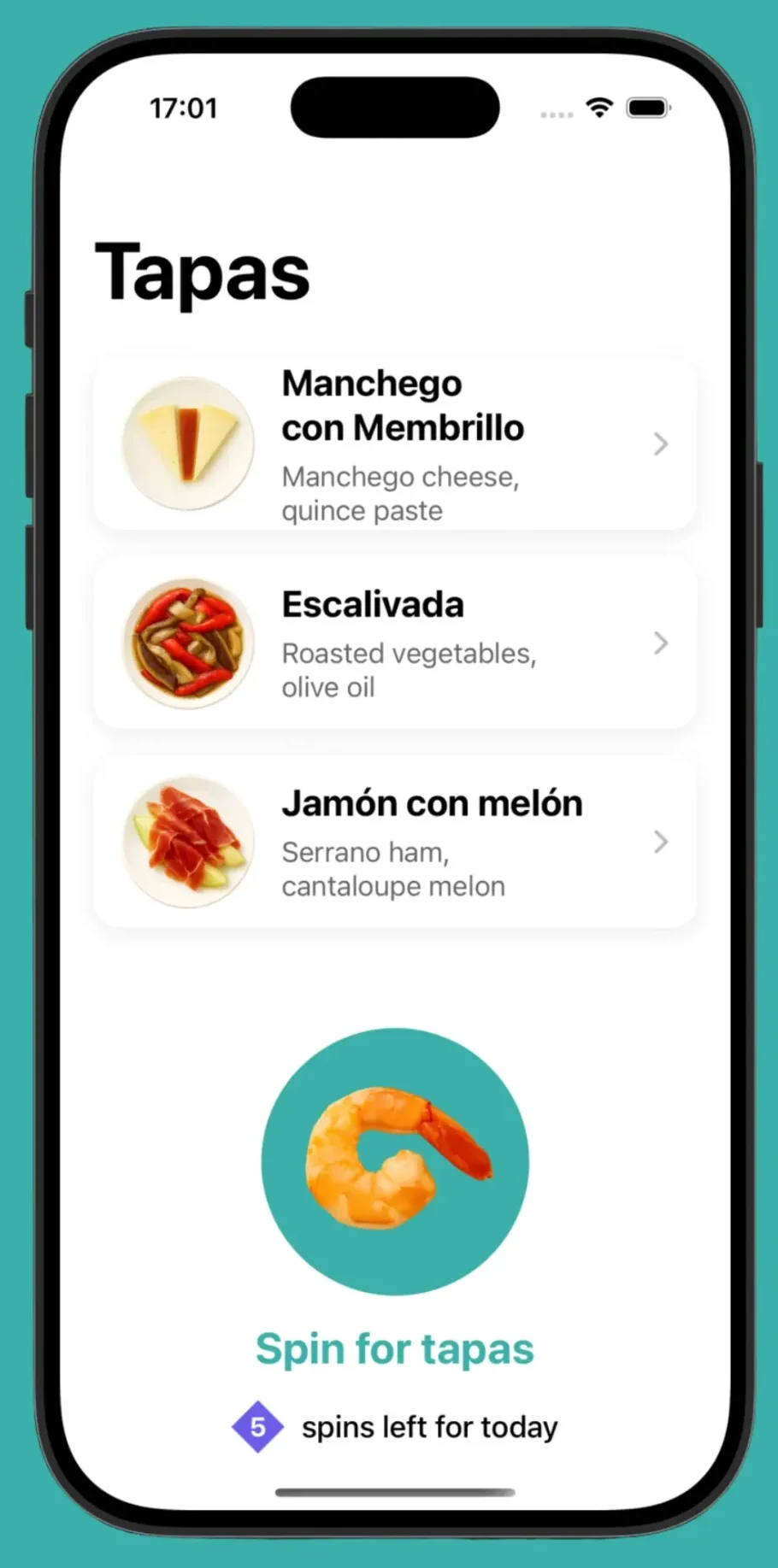
Tapas Spinner
Discover more Spanish tapas
Tap once. Get 3 tapas ideas.
50+ tapas · 5 taps a day · Works offline