If you’re lucky enough to spend 21 days in Spain, you’ll have plenty of time to explore the country. We think the best three-week itinerary combines different areas of the country and setting different hubs from where to do day trips.
Week One and Two – The Core Spain Route
Follow our 14 Days in Spain guide and see much more than the big cities: set 3 hubs: Madrid, Barcelona, and Seville. These cities have different vibes and are very well connected by high-speed trains.
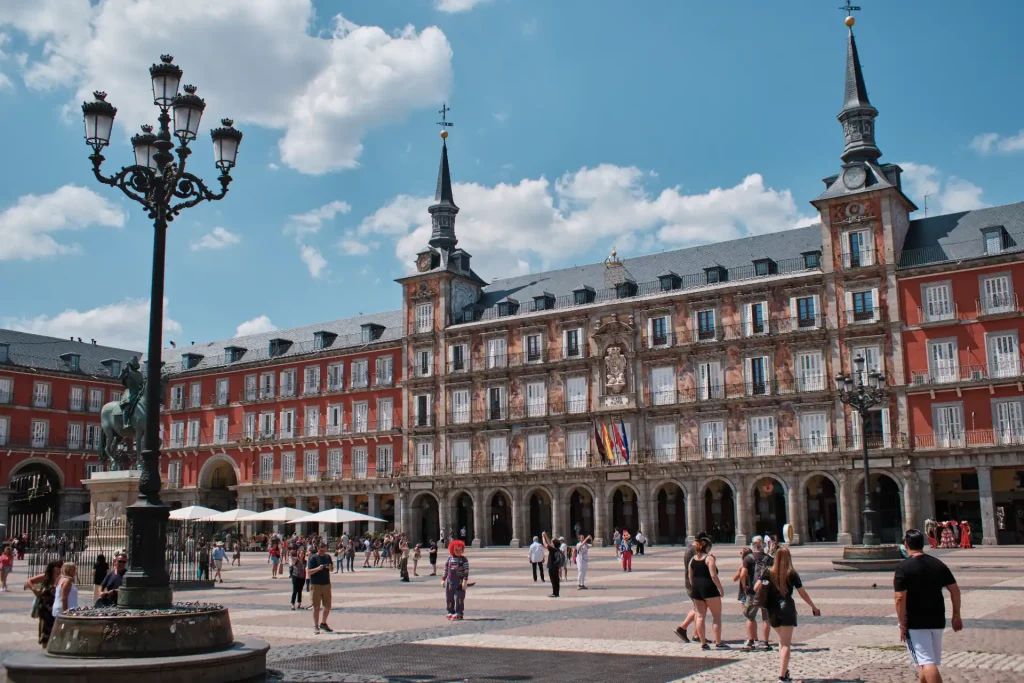
14 Days in Spain – The Best Two-Week Itinerary
With 14 days to spend in Spain, you have time to discover more than a couple of cities. You can take the train or the bus and visit the towns around you – either as a day trip or stay over night.
Read moreWeek Three – Choose Your Extension
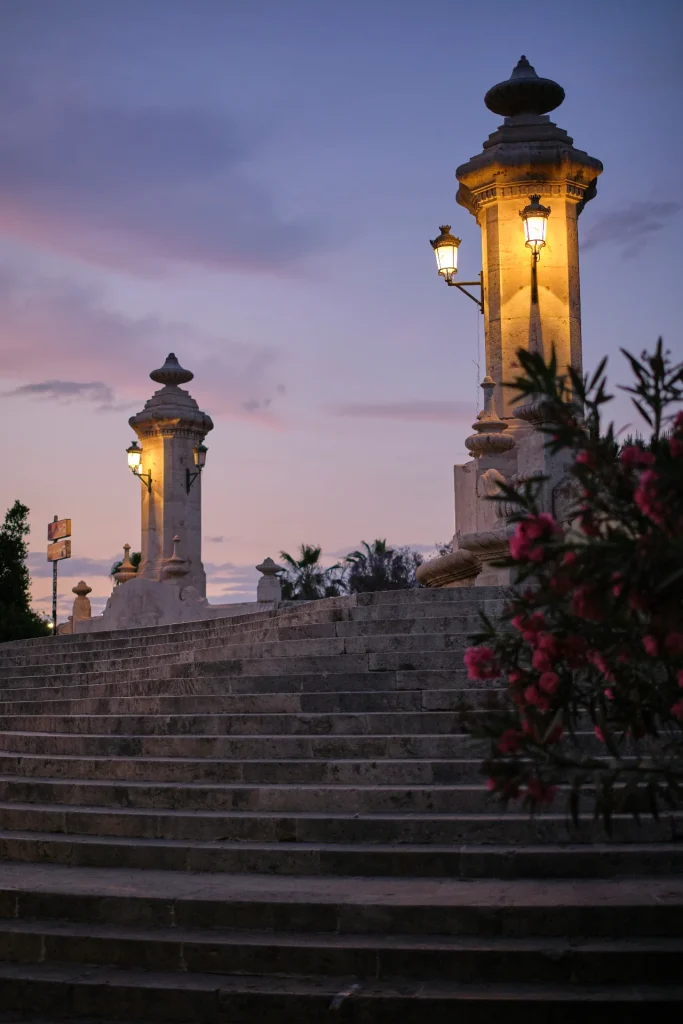
Depending on the time of year you’re going, you can choose one of these options for your third week. Although the North of Spain is beautiful, some people might not want to risk rainy weather during October to March. In that case, you can opt for Valencia and the Costa Blanca extension.
Extension A – The Atlantic North

Often overlooked, the North of Spain has plenty to offer: the food, the greenery, the different culture – all worth experiencing. For your one-week itinerary, you can visit all of these cities, or you can stay longer in one or two of them.
San Sebastián / Donostia
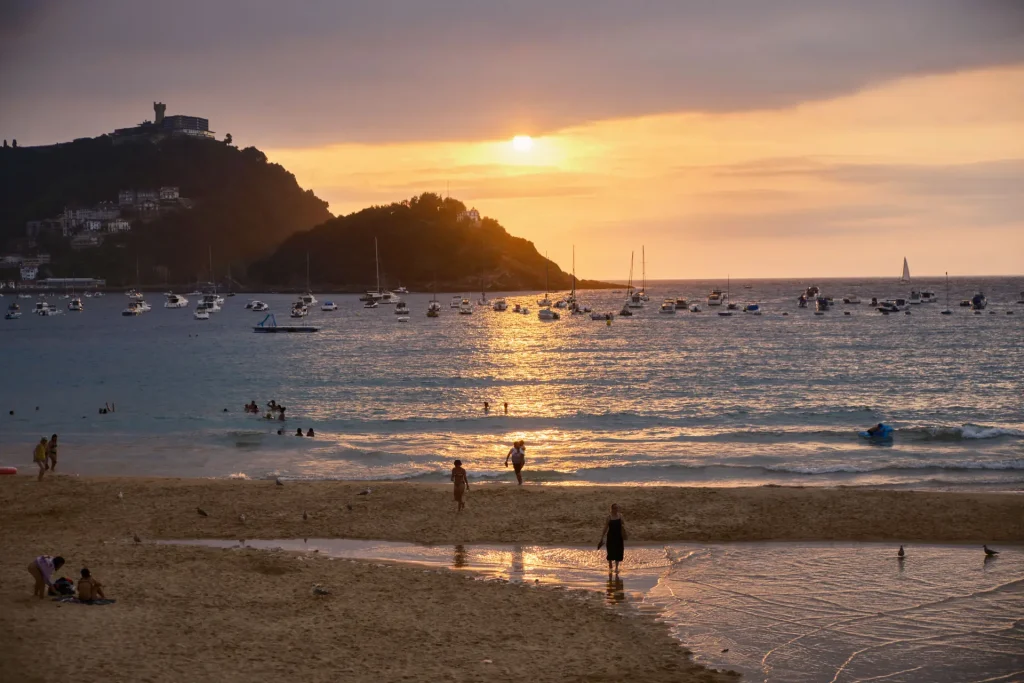
Getting to San Sebastián / Donostia is pretty simple, since it has an airport, and you can also take the train or the bus from major cities.
There are many reasons to visit San Sebastián, but what made it famous is the food: this city has the highest concentration of Michelin stars per capita in the world. You can go on a pintxo crawl and try as many as possible, have a sit-down meal at a traditional restaurant like La Cepa de Bernardo, or go for a 2 Michelin star dinner at Restaurant Amelia by Paulo Airaudo.
Besides the food, San Sebastian is worth a visit because it is beautiful: it has a beach along the Atlantic Ocean, with lively terraces and inwards, the city has beautiful architecture like the Cathedral of the Good Shepherd or the Historic Center.
Book a hotel in Donostia / San Sebastian
Bilbao

Close to San Sebastián / Donostia, there is Bilbao, another impressive city in the Basque Country. Most people get here by bus or rent a car, but you can also take the train.
You could go for pintxos at El Globo or at any pintxo bar in the city, or have a sit-down meal to discover the Basque Country star ingredients: txangurro (spider crab), idiazabal (sheep cheese), txuleta (beef steak), and the traditional drinks like Txakoli (white wine) or Sidra (apple cider).
Must-see places include the Guggenheim Museum, its huge dog shape floral structure called Puppy, and the giant spider sculpture called Mamá.
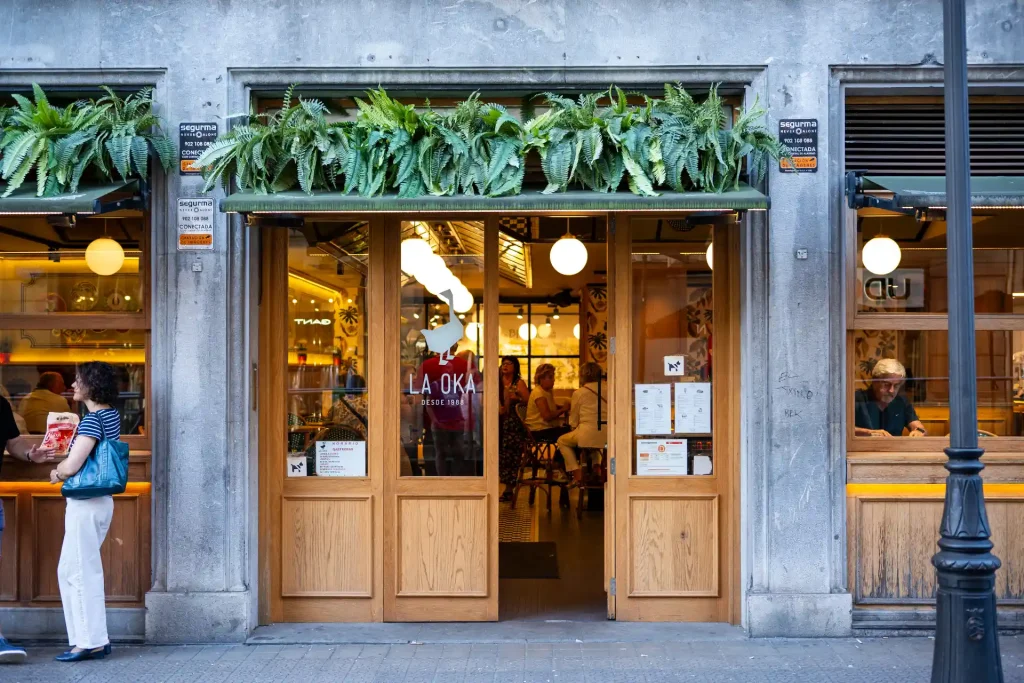
Bilbao – City Guide
Where to eat, get a coffee and what to visit in Bilbao – chosen by the National Geographic readers as the Best Gastronomic Destination in Spain for 2026.
Read moreSantander
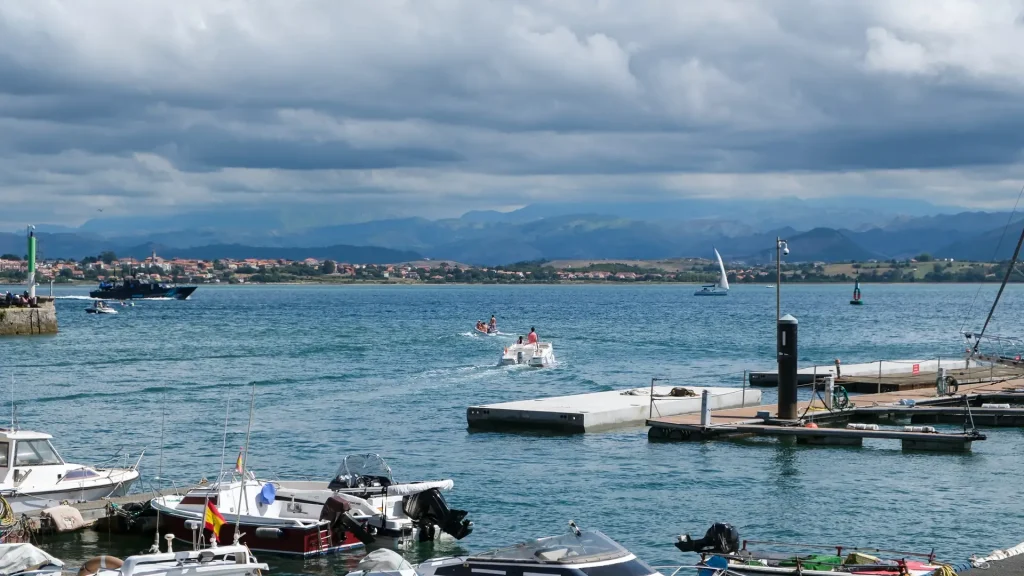
This northern city feels very elegant. With access to the Atlantic Ocean and its grand architecture, Santander is a city you’ll want to visit. It’s different from other famous locations and the image Spain gets from the media, in the best way possible.
This is where a lot of the locals go for vacation during the summer, so that it will show you a different side of this country. You can also do a lot of activities and day trips in the Cantabria area.
Extension B – The Mediterranean Coast
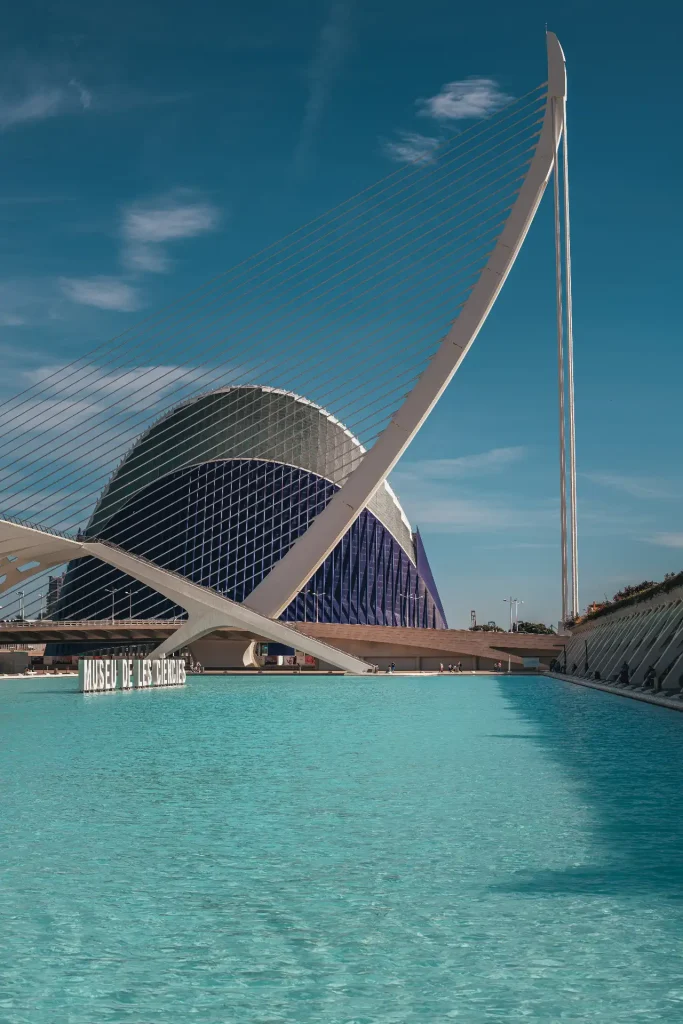
If you’re traveling in colder months, you may want to take advantage of the good weather in the Valencia area. This destination offers much more than the city of Valencia: you can also visit Alicante and the Costa Blanca villages.
Valencia
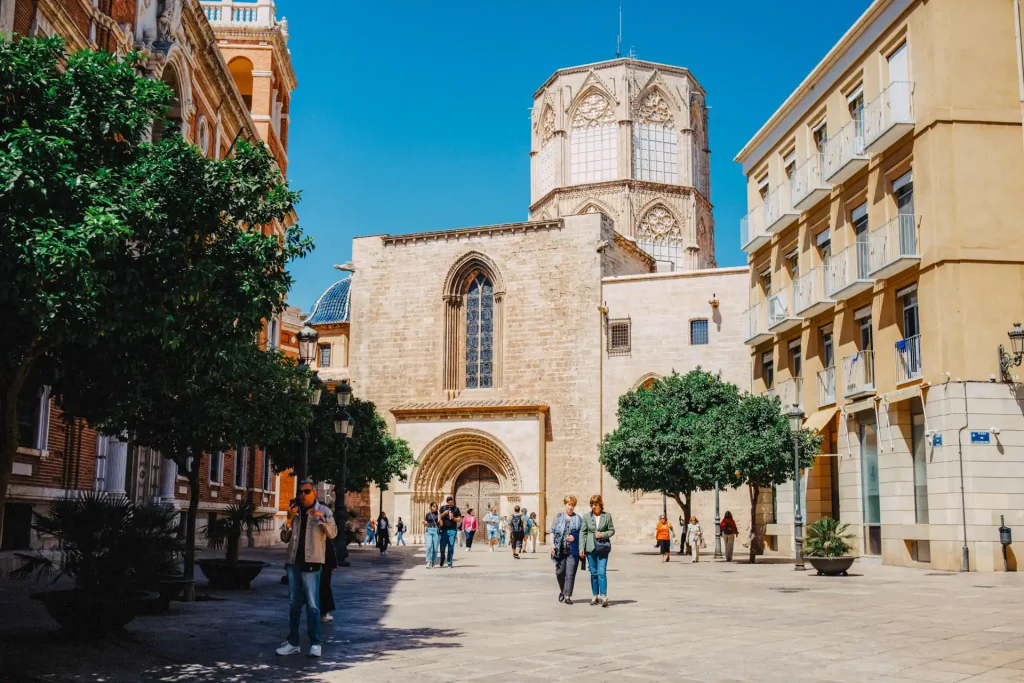
Valencia has a lot to offer people visiting Spain for the first time. For one, it’s the place that invented Paella, and it’s where you’ll want to try it. Like the locals say, the only Paella is the Valencian Paella; the rest are just rice with toppings.
Second, there are a lot of activities you can do in Valencia. You can go to the City of Arts and Sciences, the Oceanogràfic, or the Bioparc Zoo. Not to mention taking a boat ride in Albufera, a lake that feeds the rice fields and is the birthplace of the Paella.
Then there’s the fact that Valencia is by the Mediterranean Sea and has a beautiful, wide beach lined with restaurants and bars. A short walk from the beach gets you to the Cabañal neighborhood, previously a fishing village, with beautiful tiled houses and a local vibe.
What sets Valencia apart from the other destinations is the weather: there are over 300 days of sun in a year. That means you don’t need to worry too much about rainy days or what to pack.
Alicante and Costa Blanca
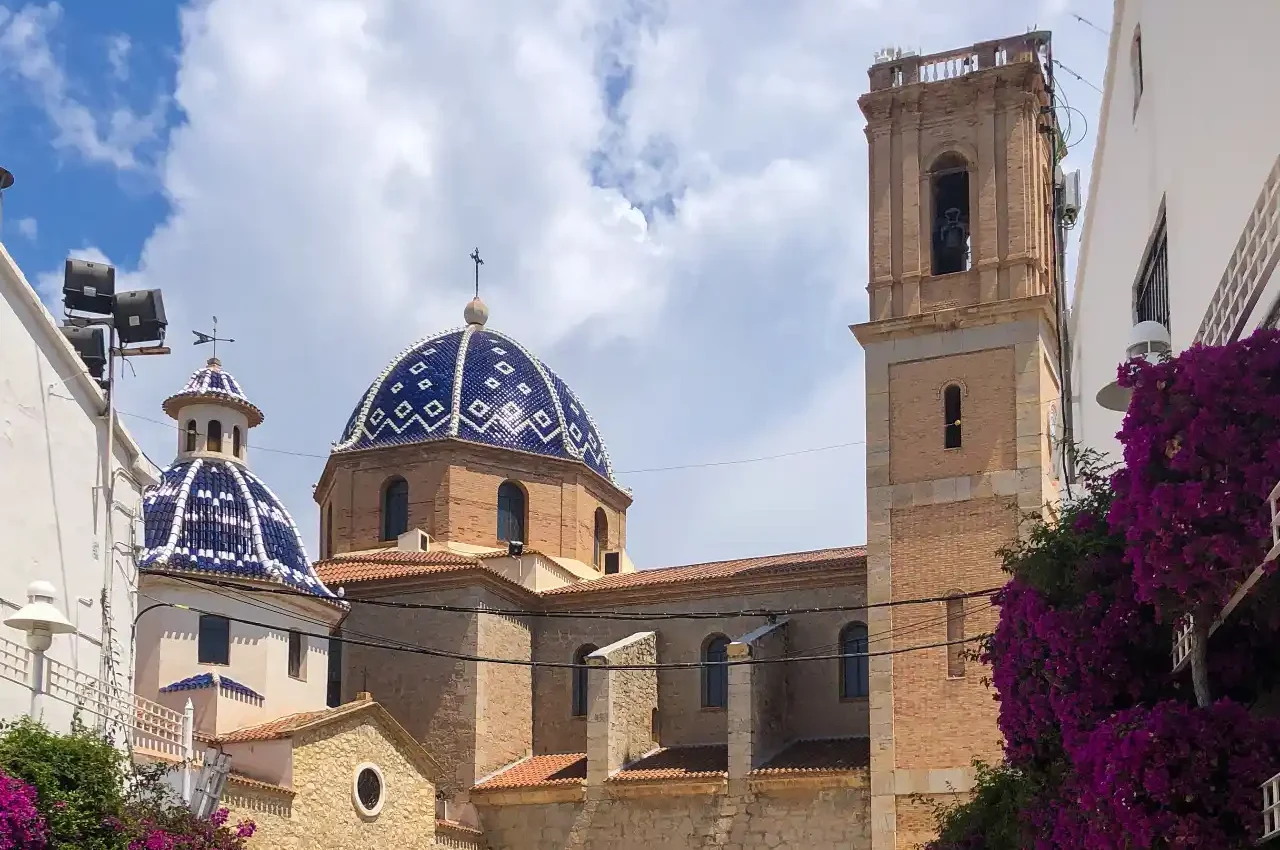
You can get to Alicante by renting a car and then use it to get around the Costa Blanca area. But if you want to avoid driving, you can also take the train or the bus from Valencia. It’s a lovely town with a wide beach and a beautiful hilltop castle – Castillo de San Fernando.
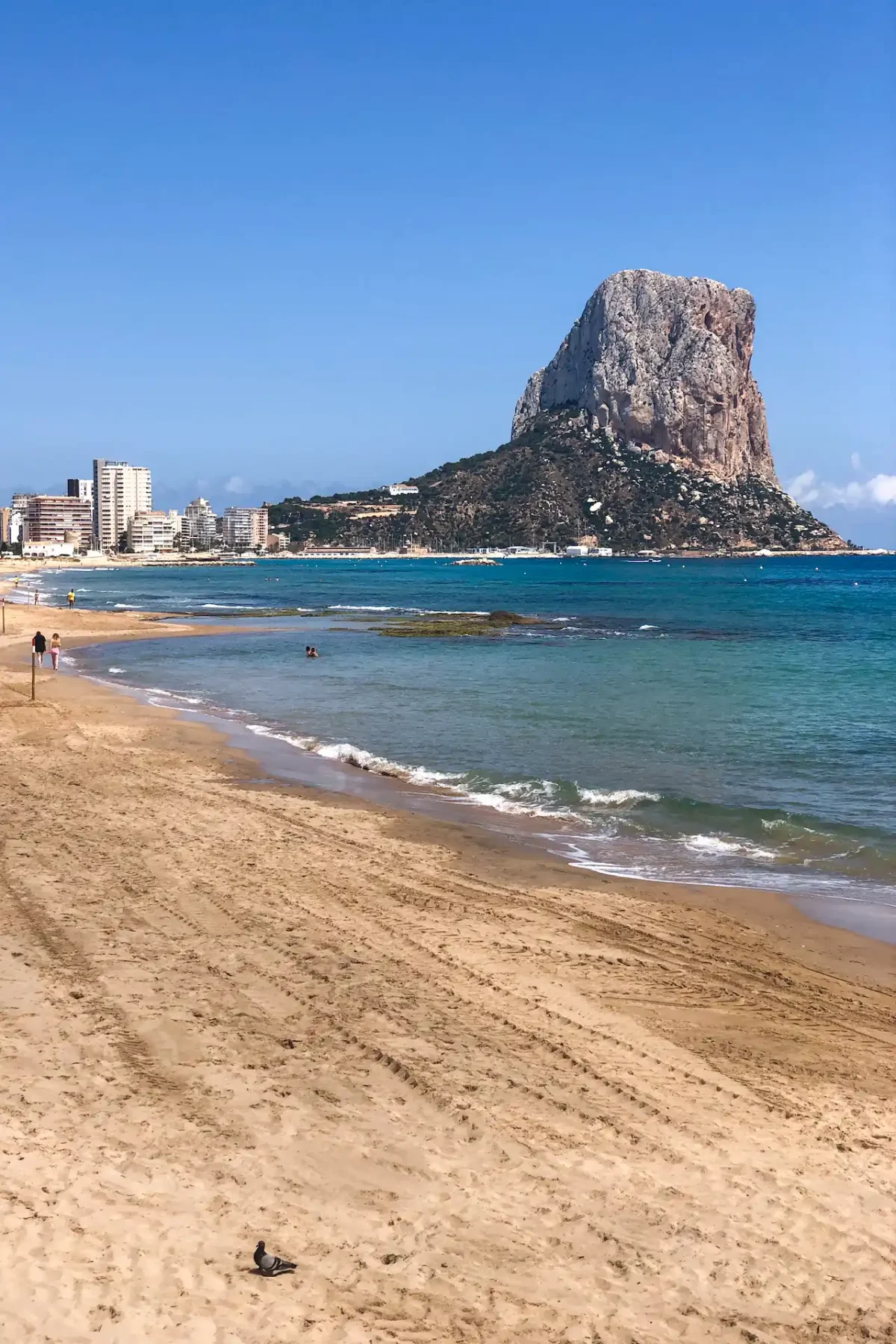
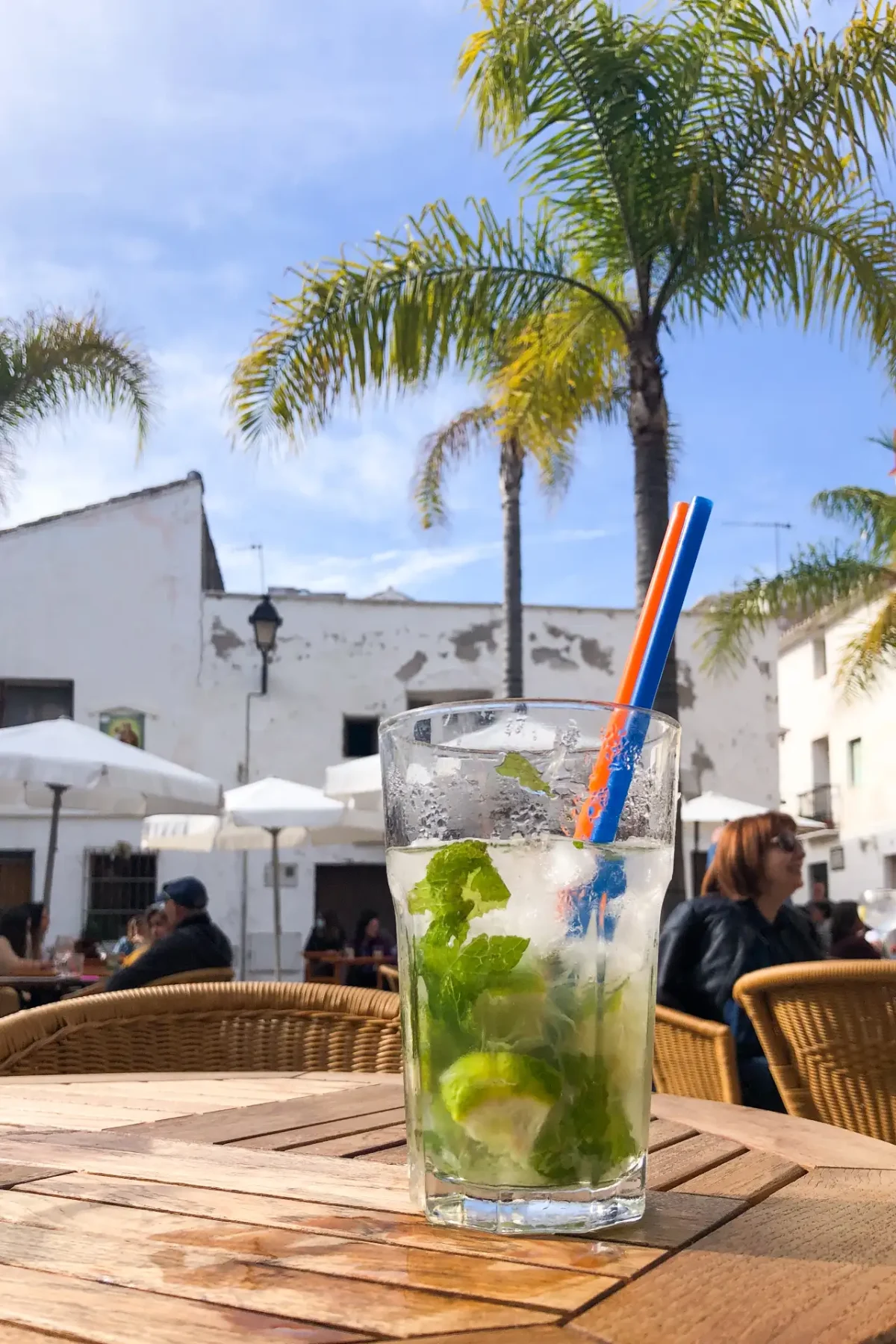
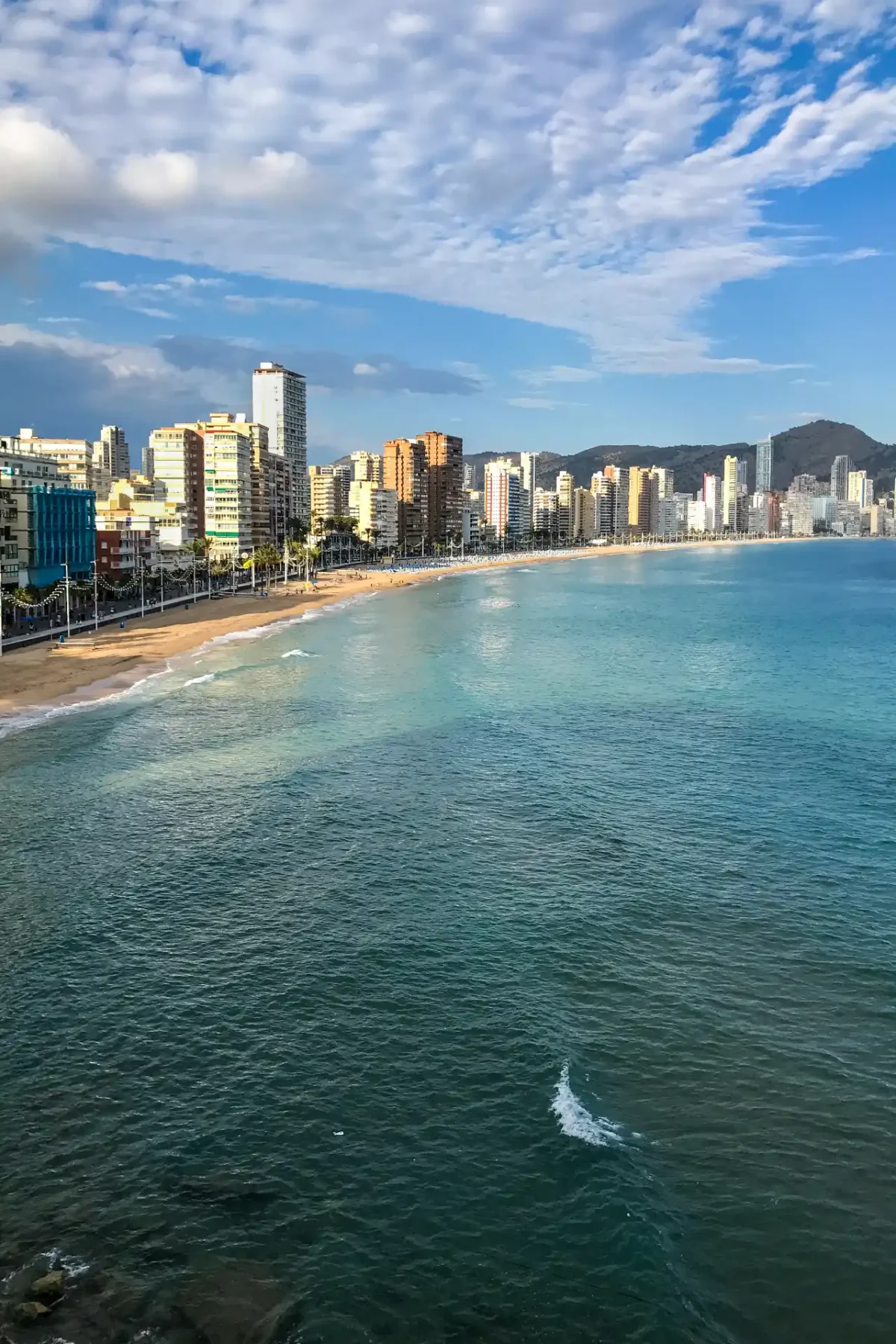
From Alicante, you can drive or take the train to these fantastic villages on the Costa Blanca: Altea, Calpe, Denia, Gandia, Javea, or Benidorm. These are great for a day trip – stop in for a relaxing lunch, or even stay overnight and enjoy the beach.
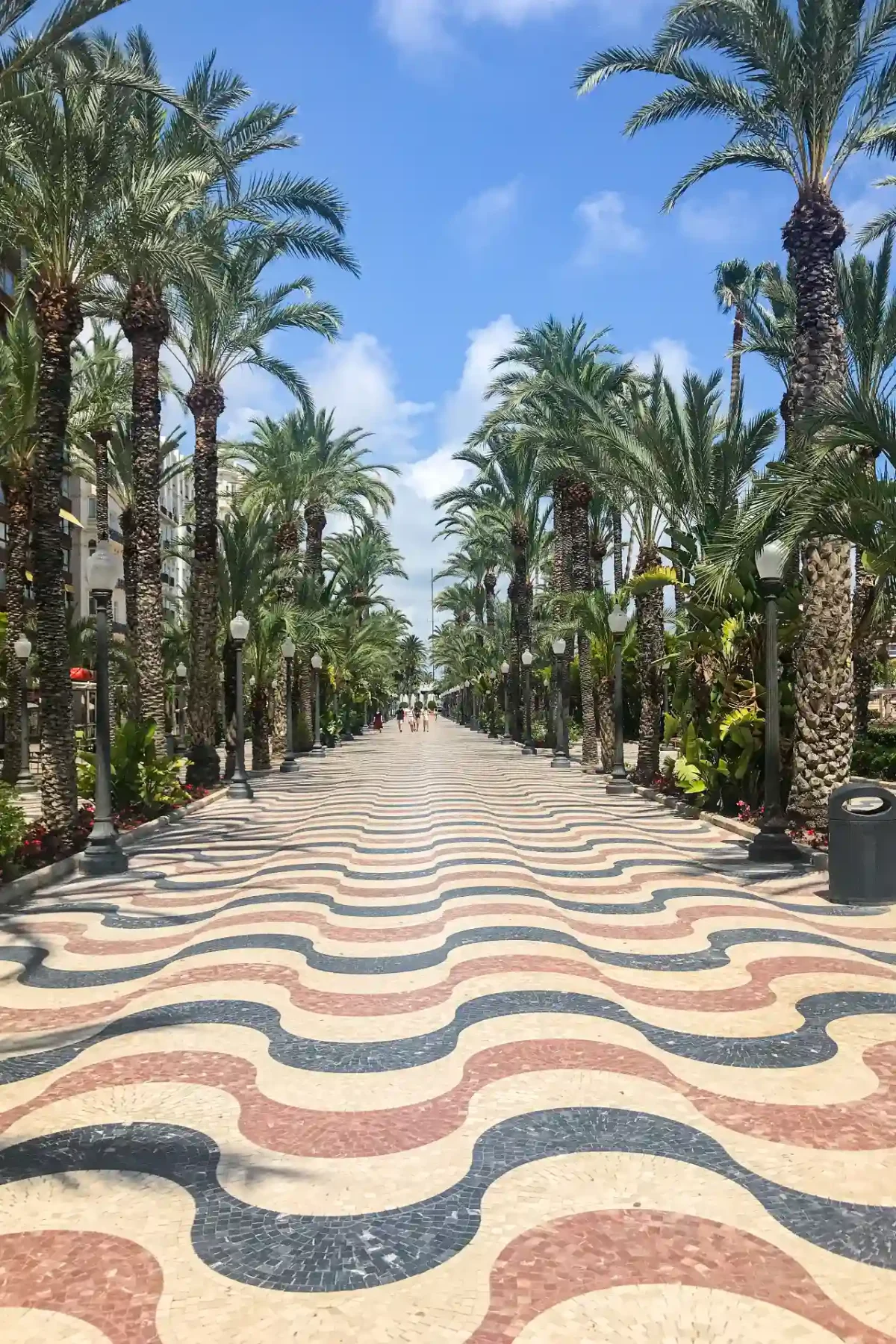 Alicante, Spain. The Explanada’s wave mosaic is one of those things that looks better in person than in photos – walk it end to end in the morning before the heat sets in, then double back along the seafront for the first coffee of the day.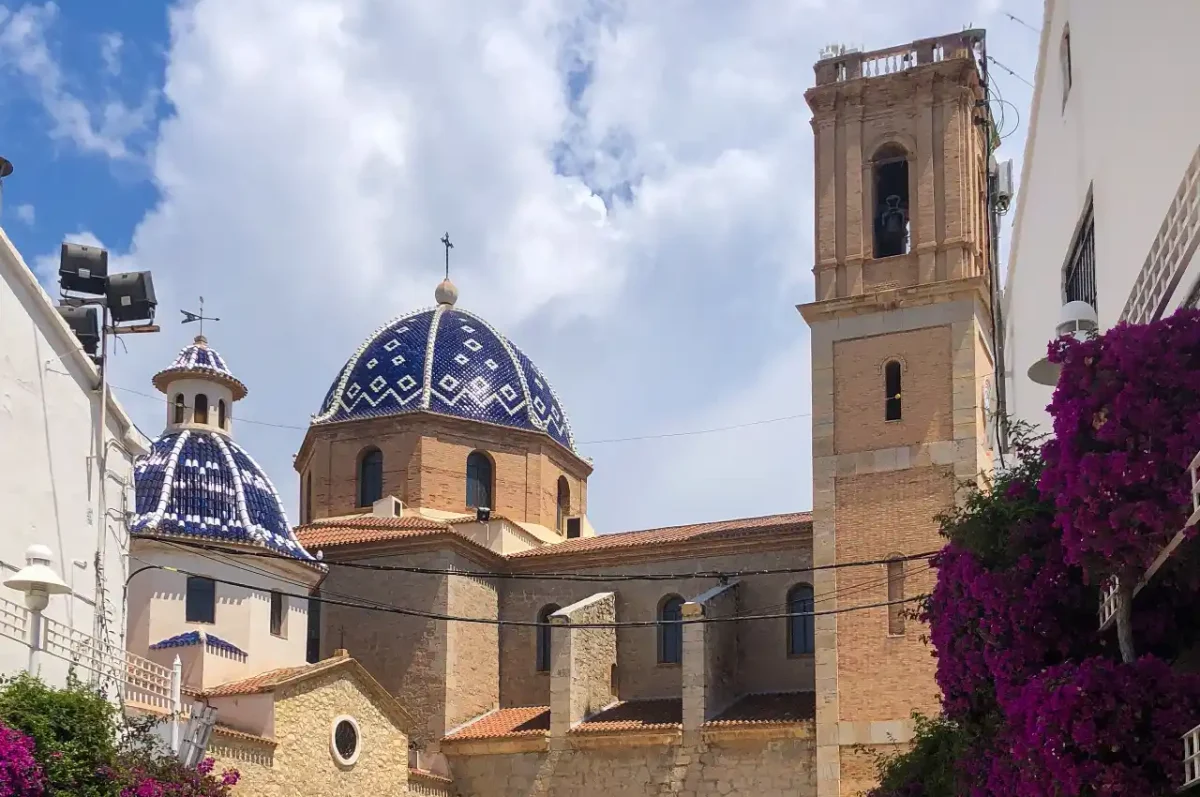
Tapas Spinner
Explore Spanish tapas
Tap once. Get 3 tapas ideas.
50+ tapas · 5 taps a day · Works offline